The most quietly encouraging AI story for small business is not about a new model at all. It is about who is actually winning with the tools that already exist. OpenAI has been documenting how ordinary small businesses use ChatGPT, and the cast is not the one the headlines would pick: a seed farm, a family tamale shop and an 86-year-old salvage yard. Not a tech start-up among them, and that is the point.
It is easy to assume the businesses getting value from AI are the digital-native ones, the agencies and the software shops. The reality on the ground is closer to the opposite. The owners pulling ahead are often the least technical, because the win is not a fancy capability. It is having a capable assistant on hand for the dozen small jobs that pile up in any week, and being willing to actually use it.
For an Australian owner watching all the noise about agents and frontier models and wondering where they fit, this is the reassuring part. The advantage on offer here is not reserved for people who understand the technology. It is reserved for people who put it to work.
The AI winners are not who you would expect
Look at what these businesses actually did and the pattern is unmistakable. At a salvage yard in Nevada, the manager uses ChatGPT to make calls in real time as problems show up, talks through a tricky weld or a stuck piece of equipment, builds an inventory of what is on the lot, and even drafted a professional, investor-ready business plan outline. None of that is glamorous. All of it used to be a phone call, a delay, or a job nobody had time for.
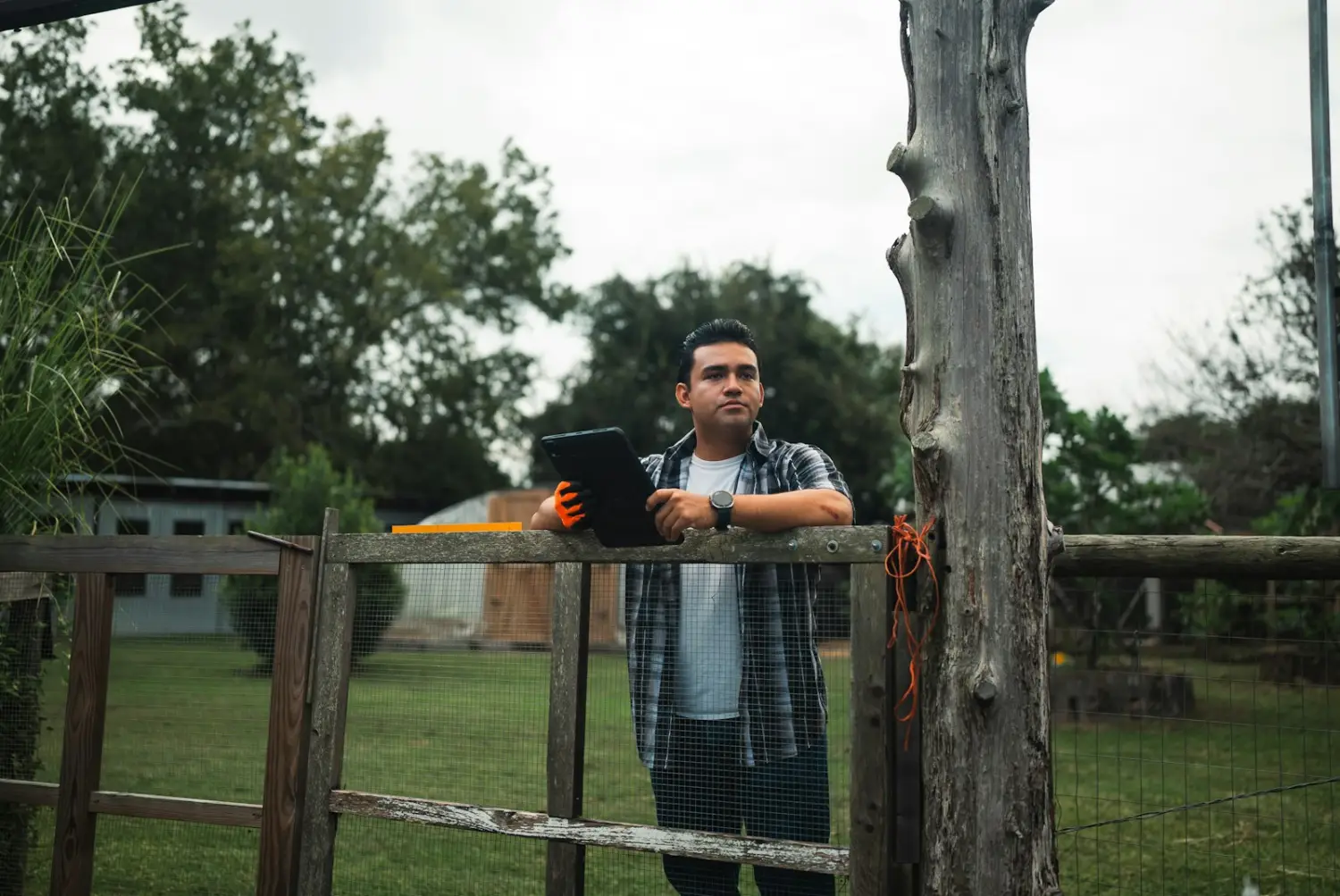
At a family tamale shop in California, the owners used it to gain confidence putting things in writing, drafting a formal letter and spinning up a simple tool to help customers find their stall at nearby markets. At a seed farm in South Carolina, the work is more grounded still: making sense of a confusing bill, logging field work, keeping track of what is where. These are not science experiments. They are the small frictions of running a business, handled in minutes instead of put off for another week.
Why the least technical owners are pulling ahead
The reason this works has nothing to do with technical skill and everything to do with leverage. A general-purpose assistant is genuinely useful precisely on the scrappy, in-between tasks an owner usually absorbs themselves: the bill that does not make sense, the letter that has been sitting unwritten for a fortnight, the stock list that lives in someone's head. Andrew Ng has spent this year making the case that anyone, whatever their starting skill level, can become an AI power user in 2026. The salvage-yard manager and the tamale-shop owners are exactly that case, made real.
The gap that should worry, or excite, every owner is not between the technical and the non-technical. It is between the businesses that have this set up to fit how they actually work, and the ones that download an app, poke at it for a week and quietly give up. The first group gets a compounding edge: every week, a few more hours handed back and a few more decisions made with help. The second group concludes AI is overhyped and moves on. The difference is almost never the tool. It is whether it was pointed at the right jobs and made part of the routine.
What good looks like
When this is done properly for a small business, it stops feeling like using AI and starts feeling like having a sharp, tireless offsider. Here is what good looks like once it is working:
- The jobs you keep putting off, the awkward letter, the confusing bill, the quote you never get around to, get cleared in minutes rather than haunting the week.
- It is pointed at the specific tasks that actually clog your days, not a generic tool you forget you are paying for.
- It fits the way you already work and the words you already use, so it gets opened every day instead of admired once and abandoned.
- Your judgement stays in charge: the assistant does the legwork and the drafting, you make the call.
- The hours it hands back go where they should, to customers and the work only you can do.
The businesses winning with AI are not the most technical. They are the ones who put a capable assistant to work on the small jobs everyone else keeps putting off.NextAura
The encouraging takeaway is that nothing here is out of reach. These are not businesses with budgets or data teams; they are a farm, a shop and a yard. We have written before about how AI can be the cheapest expert a small business ever hired and why the goal is always to back your people rather than replace them. This story is the proof that the upside is genuinely within reach of an ordinary Australian small business, if it is set up to stick.
That last part is where most owners come unstuck, and it is exactly the work we do at NextAura. We figure out which jobs in your business are worth handing to AI, wire up the assistants and automations that handle them, and keep the whole thing sharp so it earns its place month after month. You do not need to be technical, and you do not need to work it out alone. Get in touch, and we will point this at the right jobs and steer it while you get back to running the business.

 Small Business