What the people building the future are actually saying. We read their posts, talks and interviews each week, so you do not have to.
Edition 3week of 22 June 20268 min read
01Tech-landscape mood
→ steady vs last week
Bullish
81 / 100 bullishness
BearishNeutralBullish
The readThe room tipped from cautiously optimistic to outright bullish. With Jensen Huang telling everyone to just use AI, Chamath Palihapitiya mocking the doomers, and three labs quietly pointing their best work at medicine, the biggest single move is Chamath swinging back to full optimism. Dario Amodei is left holding the safety brake almost alone.
02The voices
8 operators · one convictionscroll →
Jensen Huang
NVIDIA
Bullish→steady
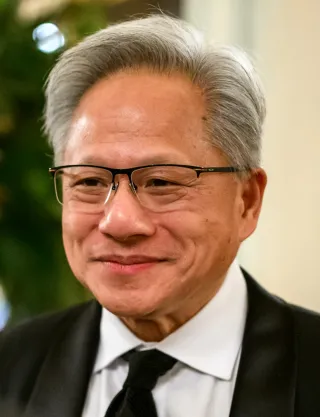
The industry's biggest bull tells everyone to just go engage AI, and says society needs new norms to absorb it, the way it once did the car.
We need to create new social norms. I would advocate that everybody use AI. Just go engage it.
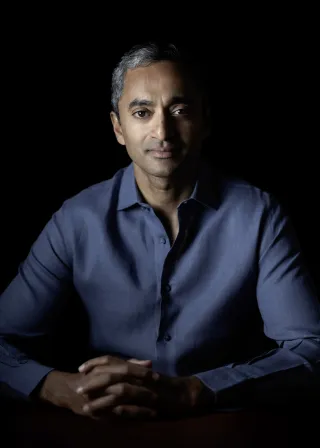
Swings back to full-throated optimism, mocking the AI doomers and reading a $60B exit as the first of many at the application layer.
Doomers have been wrong betting against human progress, productivity growth and screaming of job apocalypses of all kinds since time immemorial. This time is no different.
Marks the end of his AlphaFold partnership with John Jumper by reaffirming the field's purpose: science and medicine that benefit humanity.
What we achieved with AlphaFold changed the world, and showed the field what was possible with AI for science and medicine, lighting the way for how AI can benefit humanity.
A quiet week from his new perch at Anthropic, but his one post, awe at SpaceX's arc, captures the engineer's faith that hard things compound.
In awe of SpaceX and its story - past, present and the future. You can think about it in 10+ different ways and continue re-blowing your mind in circles. Huge congrats to the team!
The voice keeping the week from tipping into pure euphoria.
Dario Amodei
Anthropic
Still the field's lone brake: pairs his call for mandatory safety testing with a funded plan for the jobs AI will displace, as peers mock the very idea of risk.Cautious
04The takeaway
This week’s read · NextAura
‘Just go engage it’: this week AI's optimists stopped debating, and the doom narrative got mocked
The mood ticked over from cautiously optimistic into outright bullish. The industry's biggest names told everyone to stop arguing about AI and just use it, the loudest investor mocked the doomers, and the real work moved quietly into healthcare. Dario Amodei is left holding the brake almost alone.
Something shifted in the mood this week, and you could hear it in who was allowed to sound worried. For two years the people who build artificial intelligence have argued about how scared to be. This week the argument felt settled, and not in the worriers' favour. The biggest bull in the industry told everyone to just go and use the stuff. The loudest investor said the doom-mongers have always been wrong and this time is no different. And while all the talking happened, the work itself moved somewhere that actually matters: into the clinic. One man was left holding the brake.
The big conversation: the room turned on the doomers
Start with Jensen Huang, because he says the quiet part with a salesman's ease. Standing in a field in Sherman, Texas, before breaking ground on a new plant, the head of the world's most valuable chipmaker was asked how society should handle AI. We need to create new social norms. I would advocate that everybody use AI. Just go engage it, he said. Then he reached for the obvious historical rhyme. Cars were once described as machines that killed children in the street, he noted, and the world did not ban them. It built footpaths, crossings and the habit of looking both ways. The technology stayed; the norms grew around it. It is a tidy argument, and a convenient one for the man who sells the engines, but the history is real.
A year ago Chamath was waving the caution flag. This week he swung hard the other way, and the swing is the story.
Which leaves Dario Amodei standing nearly alone. The Anthropic chief spent the month making the least fashionable argument in technology: that the brakes matter more as the car gets faster. In his June essay he went past his old call for transparency and asked governments for mandatory safety testing, and he paired it with something his peers will not touch. Alongside the safety rules, he wrote, Anthropic is releasing a policy framework for job displacement, for which we intend to provide substantial financial backing. Read that next to Chamath's line about job apocalypses and you have the real disagreement of the week, in stereo. One man is funding a plan for the workers AI displaces. Another is mocking the idea that it will displace them at all.
Where they disagree: who has to adapt, the worker or the world
Look closely and the fight is not optimism against pessimism. Everyone in this group is an optimist about the technology. The fight is about who carries the cost of getting there. Huang's answer is the public: society adapts, grows new norms, and the discomfort is temporary and worth it. Chamath's answer is nobody, because the apocalypse is a fantasy and rising productivity will lift all boats as it always has. Amodei's answer is the builders: the firms automating the work owe the displaced a real, funded plan, not a shrug, which is exactly what his framework proposes. Three men, three theories of who pays, and the gap between them is the most honest thing said all week.
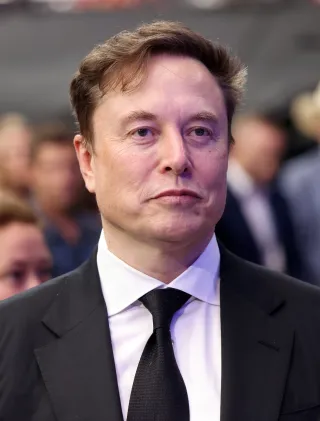
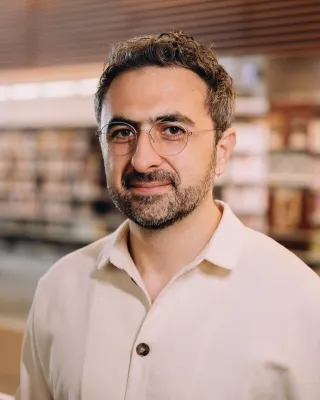
Underneath the philosophy, the builders just kept building, and the tell was where they pointed their best people. Sam Altman spent the week recruiting, announcing a researcher he had most wanted to work with since the very beginning of OpenAI, worth a ten-year wait. Mustafa Suleyman, who runs Microsoft's labs, made the same point as a principle: talent density is incredibly important for building humanist superintelligence. Elon Musk, fresh off floating SpaceX, was busy pushing Grok's new image tool into family living rooms with dancing kittens for the kids, while promising, as ever, to extend the light of consciousness to the stars. The mood among the makers is not anxiety. It is recruitment.
Here is the translation, because the trillion-dollar talk has a small-business meaning folded inside it. The makers told you two things at once. First, stop waiting. Huang's just go engage it is not a sales line, it is the honest read that the gap that now separates winners from everyone else is adoption, not capability. Everyone can buy the cleverest model; few have actually put it to work. Second, the value has moved. The model is a commodity you rent. The advantage is the loop only you own: your data, your process, your people's judgement, which is exactly why Nadella keeps saying grounded in your knowledge and Chamath keeps saying control plane. And if you want to know where to point it first, the room just told you. Aim it at the boring, expensive, knowledge-heavy work. For the labs that is medicine. For your business it is whatever your version of medicine is: the high-stakes job you would never hand to a chatbot, but would gladly hand to a system you trained and trust.
That is the work we do at NextAura. We read the week so you do not have to, then help Australian small businesses do the unglamorous part: pick the one task, build the loop, own the data, and point it at the work that actually moves the numbers. The optimists are right that you should not wait. They are also right that the advantage goes to whoever builds the system, not whoever rents the model. If you want a hand turning this week's signal into something running in your business by next week, get in touch.
We log them now and revisit them later — a running ledger of the bets these operators are making out loud.
Mustafa Suleyman: Healthcare becomes the next breakout product-market fit for applied AI, led by frontier models built with clinical partners.the next wave of adoption
Chamath Palihapitiya: The landmark $60 billion application-layer exit is the first of many; value accrues to the control plane around the model, not the model itself.the next few years
Dario Amodei: Governments pair mandatory frontier-AI safety testing with funded job-displacement programs, rather than choosing one or the other.within a few years