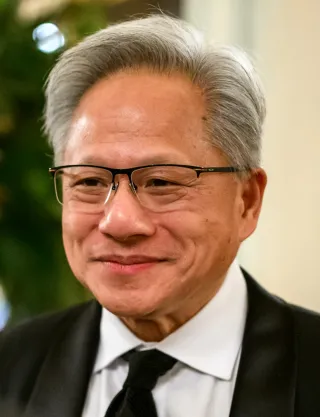
Jensen Huang
NVIDIA
Bullishsteady
Calls NVIDIA's new chips the first reinvention of the PC in 40 years and pushes physical AI into Korea's industrial base.
This is going to be the new PC.
Weekly Intelligence · Great Minds
What the people building the future are actually saying. We read their posts, talks and interviews each week, so you do not have to.
The readThe overall mood holds at cautiously optimistic, but the conversation has moved. A year ago these minds argued about whose model was smartest; this week, almost in unison, they argued about who owns the loop around it: your data, your tuned models, your governance. The sharpest move is Chamath Palihapitiya cooling from pure euphoria into risk and governance, and Dario Amodei holding the safety line.
Calls NVIDIA's new chips the first reinvention of the PC in 40 years and pushes physical AI into Korea's industrial base.
This is going to be the new PC.
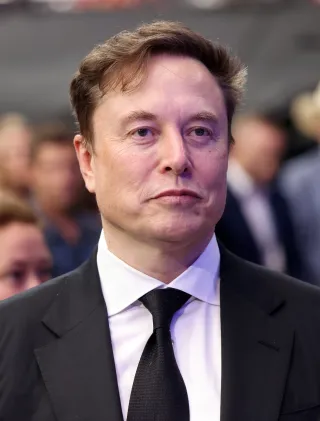
Fresh off the SpaceX float, frames the coming decade as unprecedented in scale and amplifies the case against regulating the future away.
The scale of what is to come has no precedent.

Pushes 'own your AI, do not rent it' with Frontier Tuning, while warning publicly that AI must not hack our empathy.
It's time to move from renting intelligence to truly controlling your AI.
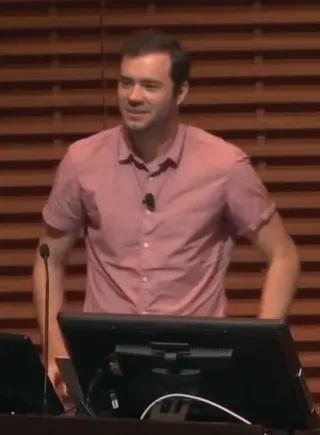
Reads the latest frontier release as a genuine step change and keeps insisting the unit of work is now the agent, not the file.
This is a major-version-bump-deserving step change forward.

Frames the next decade as a scientific renaissance and ships frontier-class models small enough to run on a laptop.
In the next 10 years we are going to be entering what I feel like is a new renaissance.

Backs balanced federal AI policy and keeps tugging at the democratising thread: anyone can build and ship software now.
The US should lead on AI by continuing to develop the very best models, making sure they're safe, and getting cyber tools into the hands of trusted defenders.
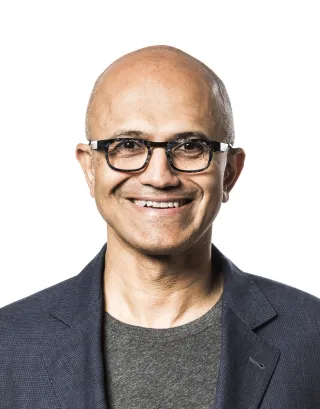
Trades the big abstractions for receipts: 43 minutes a day saved across the NHS, and AI reading why cancer drugs work unevenly.
In early trials, staff saved an average of 43 minutes per day, helping put more time back into what matters most.
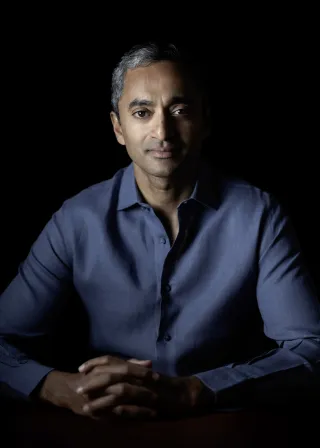
Swaps last week's economic-miracle euphoria for risk management: do not bet the farm on one lab, and expect governance to become the moat.
If the leadership of a Fortune 1000 company bets the farm on only one frontier lab and their models you're taking a lot of risk.
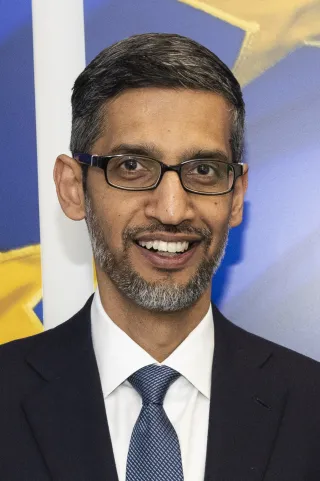
Shrinks the frontier onto a laptop with Gemma 4 and puts money behind reskilling the electricians and welders who build the grid.
It can run locally on a laptop, while enabling powerful multi-step reasoning and agentic workflows.
The voice keeping the week from tipping into pure euphoria.
Holds the safety line as the rest of the field cheers: transparency is no longer enough, frontier models need mandatory testing.Cautious
This week the people building AI quietly changed the subject, from whose model wins to who owns the stack around it. The mood is still cautiously optimistic, but the smart money is moving from renting intelligence to controlling it, while the loudest optimist of all turns cautious on governance.
A year ago, the people who build artificial intelligence were arguing about the same thing: whose model was smartest. Read what they actually posted this week and you can watch the question change underneath them. Almost in unison, and mostly without announcing it, they stopped talking about which model to rent and started talking about who owns the loop around it. It is a quiet shift. It is also the most useful thing they said, because it is the part a small business can act on.
Satya Nadella spent the week making one argument in different keys: the prize is no longer the model, it is the system you build around it. Microsoft, he said, is focused on helping every company move from just consuming a frontier model to fully participating at the frontier. Mustafa Suleyman, running Microsoft's own labs, put the same idea in blunter language. It's time to move from renting intelligence to truly controlling your AI, he wrote, pitching tools that let a company tune a frontier model into something that is uniquely its own. Two executives at the same firm, circling the same instinct: ownership is the new advantage.
The investors are landing in the same place by a colder route. Chamath Palihapitiya, who a week ago was calling AI an economic miracle, spent this week on risk. If the leadership of a Fortune 1000 company bets the farm on only one frontier lab and their models you're taking a lot of risk, he warned, comparing single-lab dependence to a treasurer keeping all the company's cash in one bank. And he named what he thinks the next moat looks like: control, consistency, governance, auditability, all of these will become defining features soon. That is a striking thing for a techno-optimist to say in the same month everyone else is celebrating capability.
It is a theme Andrej Karpathy has been circling for months. His mental model is that the basic unit of building is no longer one file but one agent, and that unlike a classical company, you'll be able to fork agentic orgs. Put the three together and a picture forms. Nadella says participate, do not consume. Suleyman says own, do not rent. Palihapitiya says diversify and govern. Karpathy says the thing you are actually assembling is an organisation made of agents. None of them is selling you a model. All of them are telling you to build a loop you control.
None of them is selling you a model. All of them are telling you to build a loop you control.
The real argument this week was not optimism versus pessimism. It was about who holds the off switch. Dario Amodei, alone among the lab chiefs, used his platform to slow the room down. Anthropic had long backed transparency rules, he said, but that is no longer sufficient; he now believes frontier models should face mandatory third-party testing for cyber, bio, and autonomy risks, with the power to block or revoke a release that fails. Sam Altman took the middle path, backing the new federal approach on the grounds that the US should lead on AI by continuing to develop the very best models, making sure they're safe, and getting cyber tools into the hands of trusted defenders.
From the other end, Elon Musk amplified the libertarian case, sharing the line that the second you reach for the words ban, stop, or eliminate as your policy, you're on the wrong side of history, and insisting that the scale of what is to come has no precedent. The most cynical read, fittingly, came from Chamath, who pointed out that the original giants now have a serious opportunity to go to the government and kneecap the frontier labs by lobbying for rules they can absorb and smaller rivals cannot. That is the uncomfortable subtext under the safety debate: regulation is not only a brake, it is a weapon, and the people who can shape it have every reason to.
Underneath the noise, the most telling posts were the small, concrete ones. Nadella skipped the abstractions and shared a receipt: across NHS England, in early trials, staff saved an average of 43 minutes per day using everyday Copilot, and separately, his team showed AI reading why cancer medicines do not work the same for everyone. Demis Hassabis, who won a Nobel for exactly this kind of work, framed the decade ahead as a new renaissance driven by AI as a research partner.
And the hardware is coming down to meet ordinary users. Hassabis shipped a frontier-class model tiny enough to run locally on a laptop with just 16GB of memory, and Sundar Pichai made the same bet, releasing Gemma 4 that can run locally on a laptop while enabling powerful multi-step reasoning and agentic workflows. Jensen Huang put it in a headline only he would dare: NVIDIA's new chips, he told Fortune, are the new PC, the first reinvention of the personal computer in 40 years. Sam Altman, of all people, reached back to 1987 for the comparison, cheering that you can now build and publish web apps with ChatGPT, the way an earlier generation once did with HyperCard. Forty years on, the same democratising move: the power to make software, handed to people who never learned to code.
There is a humane thread in here too, and it is worth noticing. Pichai put money behind reskilling the electricians, pipefitters and welders who build and maintain the physical infrastructure an AI economy runs on. Suleyman, for all his ownership talk, warned that we have to be very careful not to let AI hack our empathy. The frontier is not only getting more powerful. It is getting closer to the floor, where real people do real work.
Strip the trillion-dollar talk away and the ten of them are, almost accidentally, handing a small business a strategy. The advantage this year is not access to the cleverest model. Everyone has that now, often for free, often on a laptop. The advantage is the loop only you can build: your data, your process, your tuned tools, and the judgement of the people who run them. That is the part a competitor cannot rent.
That is the work we do at NextAura. We read the week so you do not have to, then help Australian small businesses build the loop: the practical automation and AI that gives hours back every week, owned by you, governed by you, and pointed at the jobs that actually matter. If you want a hand turning this week's signal into something running in your business, get in touch.
We log them now and revisit them later — a running ledger of the bets these operators are making out loud.
Dario Amodei: Governments adopt mandatory third-party safety testing for frontier models, with power to block or revoke unsafe releases.within 1 to 2 years
X post, on his essay Policy on the AI ExponentialJensen Huang: AI-native PCs replace the conventional personal computer as the default machine on the desk.this hardware generation
Fortune, on NVIDIA's new AI PC chipsDemis Hassabis: AI drives a scientific renaissance, compressing decades of discovery in medicine and the sciences into the next ten years.within 10 years
Nobel Prize profile video, reposted by Demis HassabisChamath Palihapitiya: Control, consistency, governance and auditability become the defining, differentiating features of enterprise AI.soon
X postWe track what the people building AI are doing, then help Australian small businesses put the useful parts to work. The rest is noise.
Book a free consultation