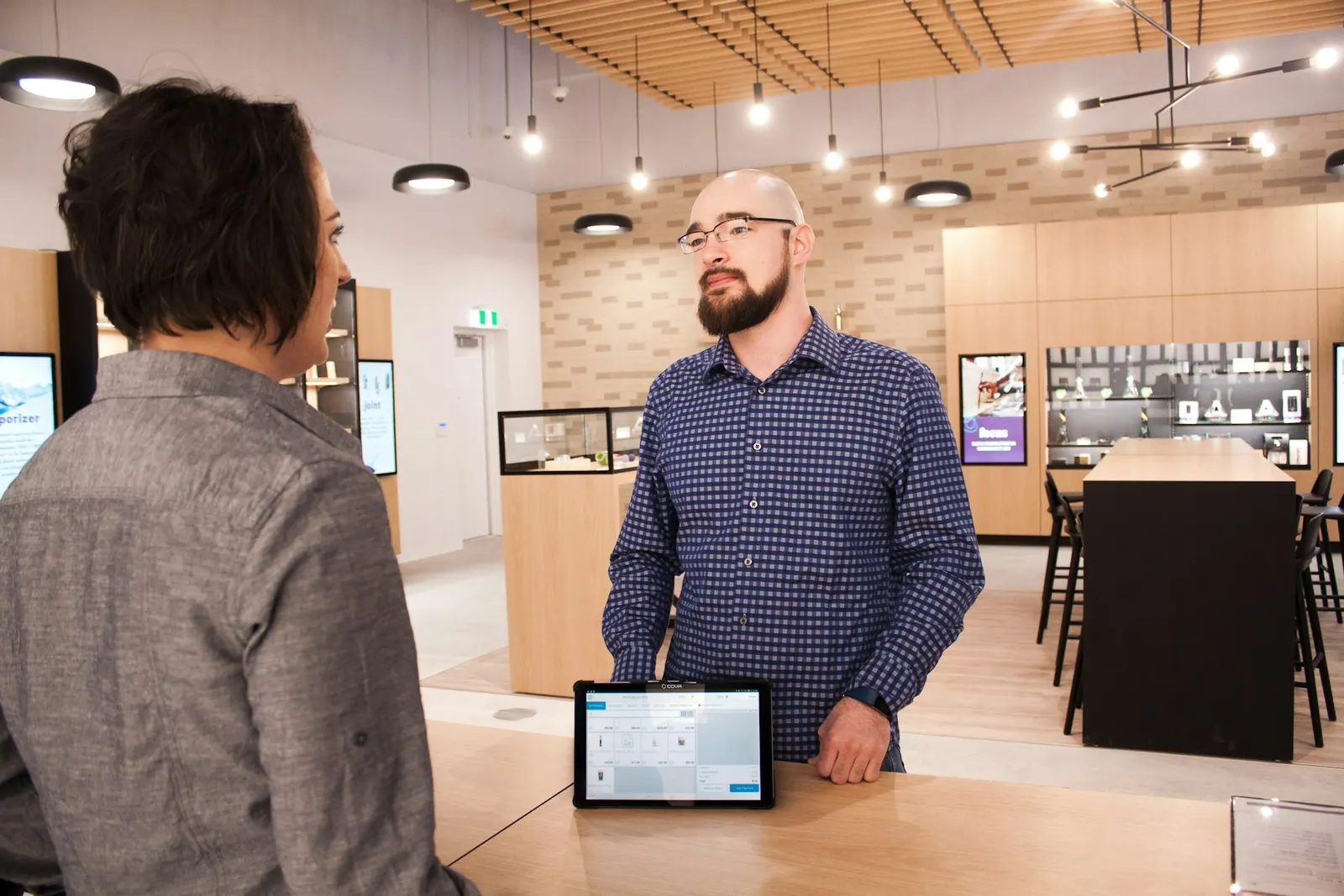
OpenAI announced its ChatGPT for small business programme on 21 July 2026. The offer is not another model launch. It combines virtual training, in-person AI academies, practical guides, partner workflows and special offers for tools such as Dropbox, Shopify, Intuit, Slack, Atlassian and Wix.
That list matters less than the decision behind it. OpenAI is treating small-business AI adoption as a support problem, not a sign-up problem. The company is putting training, examples, integrations and a community around the software because access alone does not turn a busy owner into an AI-enabled business.
For an Australian small business, the announcement needs a little context. The in-person events described are across the United States, so an Australian owner should not assume those sessions or offers are locally available. The broader signal still travels: the value is moving from owning an AI tool to having the guidance and operating structure that makes it useful every week.
OpenAI is selling the layer around the tool
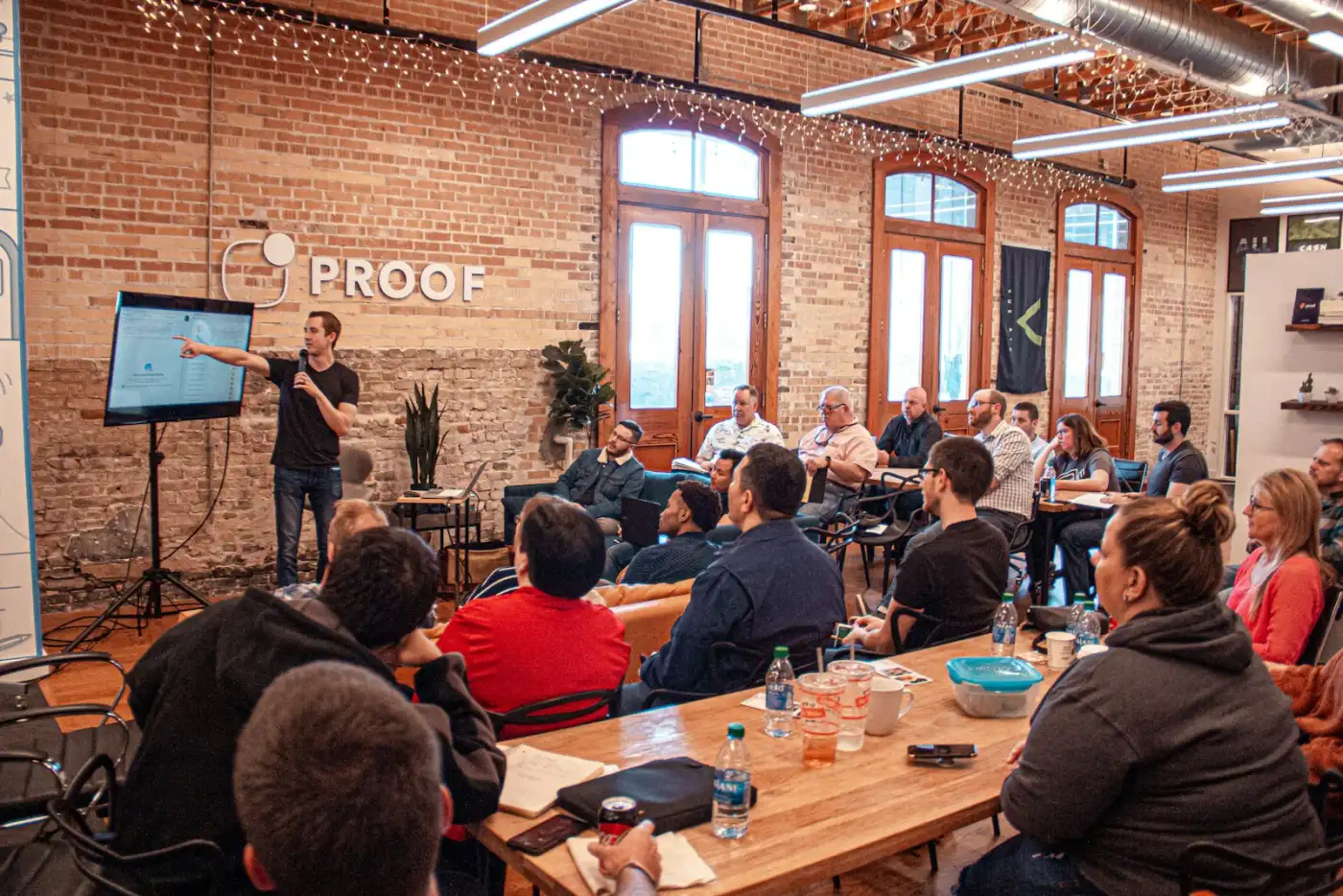
The programme includes hands-on webinars for accounting, marketing, ecommerce and other everyday work, plus new guides and partner-built skills. OpenAI also says last year's Small Business AI Jams helped 78 per cent of participants build a functional AI workflow in a day, while 42 per cent saved more than five hours a week. Those are company-reported results, not a guarantee, but they show what the programme is trying to solve: the gap between seeing a demo and changing the week.
That gap is where most AI experiments go to die. An owner asks a chatbot to draft a post, summarise a document or tidy a spreadsheet. The result is useful once, but nothing in the business changes around it. There is no agreed source of truth, no place for the output to go, no approval boundary and no shared expectation that this is how the work gets done now.
Training helps, but training alone is not the answer. A session can show someone what is possible. Adoption happens when the possibility is attached to a real business responsibility and the team can trust the result enough to use it again tomorrow.
Why the signal matters in Australia
Australian small businesses already understand the pressure OpenAI describes. The owner is often the salesperson, bookkeeper, scheduler, marketer and final quality check. A new tool can look like a gift of extra capacity, but it can also become another tab, another subscription and another thing the owner has to supervise.
The local version of good adoption has to fit the business that is actually there. That means Australian privacy expectations, GST and pricing context, local service areas, the language customers use, the software the team already pays for and the decisions that should never be automated without a person. A generic prompt library cannot make those choices for an owner.
This is why the announcement belongs alongside the question of whether AI investment has an operator behind it. The right support does not just explain a feature. It helps a business decide where the feature belongs, what good output looks like and who stays accountable when the system is wrong.
What good adoption looks like
- The team uses AI on a small number of high-value workflows that are connected to real business outcomes, rather than experimenting everywhere at once.
- The context AI needs is organised and trustworthy, so the output reflects the business instead of a generic version of the category.
- People know which work AI can prepare, which work it can complete and which decisions still require an owner or experienced staff member.
- The business can see whether time was saved, customer response improved or revenue moved, rather than counting prompts and subscriptions.
- The system gets better as the team uses it, with feedback and review built into the way work is handed over.
AI adoption is not buying a seat. It is giving a small team a reliable way to finish important work.NextAura
The local operator is still the difference
OpenAI's programme is a useful marker because it makes the missing layer visible. The technology is increasingly accessible. The hard part is choosing the workflows, connecting the systems, setting the boundaries and helping people use the new way of working when the day gets busy.
That is exactly the work NextAura does for Australian small businesses through AI workflow automation and AI agents. We turn AI from a promising subscription into a managed operating layer, with the right context, sensible approvals and a clear view of what it is saving. If you want the adoption work handled properly while you stay focused on customers and delivery, get in touch and we will carry the fiddly part with you.

 Small Business